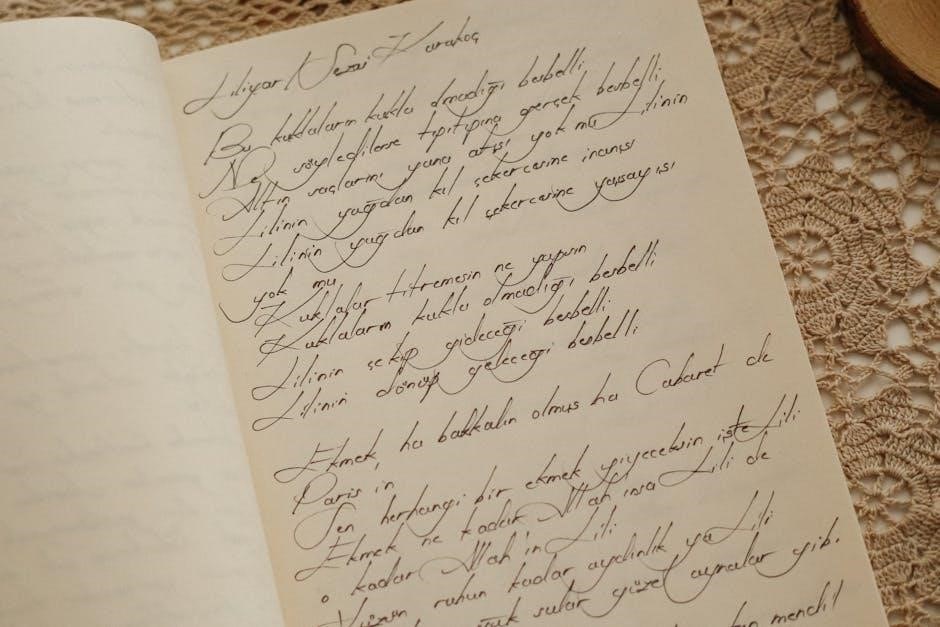
Pablo Neruda’s 100 Love Sonnets: A Comprehensive Guide
Exploring access to Neruda’s renowned work‚ online resources offer the “100 Love Sonnets” as a PDF file‚ alongside other poems and songs․

Various websites provide downloads‚ but verifying legality is crucial when accessing these digital copies of the celebrated collection․
Overview of the Collection
Pablo Neruda’s 100 Love Sonnets (Cien Sonetos de Amor) stands as a cornerstone of 20th-century love poetry‚ captivating readers with its passionate exploration of desire‚ longing‚ and the complexities of romantic relationships․ Originally published in 1959‚ the collection quickly gained international acclaim‚ becoming one of Neruda’s most beloved and widely read works․ The sonnets‚ though numbered‚ don’t necessarily present a linear narrative; instead‚ they offer a mosaic of emotions and experiences‚ shifting perspectives and moods․
Accessibility to the collection has been greatly enhanced by the digital age‚ with numerous sources offering the complete text as a PDF file for download․ This allows a broader audience to engage with Neruda’s lyrical verses․ The poems themselves are characterized by their directness and emotional intensity‚ eschewing elaborate metaphors in favor of raw‚ honest expression․
The collection’s enduring appeal lies in its universality; despite being rooted in Neruda’s personal experiences‚ the themes of love‚ loss‚ and the search for connection resonate deeply with readers across cultures and generations․ The availability of the PDF version ensures that Neruda’s timeless verses continue to inspire and move audiences worldwide‚ solidifying its place in literary history․
Historical Context of the Sonnets
Published in 1959‚ 100 Love Sonnets emerged during a period of significant political and social upheaval in Latin America․ Neruda‚ a committed communist and vocal critic of injustice‚ was navigating a complex political landscape‚ having spent years in exile due to his political beliefs․ While the sonnets themselves don’t explicitly address these political concerns‚ they were written against a backdrop of Cold War tensions and rising authoritarianism․
The accessibility of the poems as a PDF in the modern era contrasts sharply with the censorship and political repression prevalent during the mid-20th century․ At the time of their release‚ Neruda’s work‚ though popular‚ was viewed with suspicion by some governments․ The sonnets represent a deliberate turn towards a more personal and intimate form of expression‚ following his epic and politically charged earlier works․
The widespread availability of the PDF allows contemporary readers to access these poems without the constraints of past political climates․ The collection’s enduring popularity speaks to the power of love poetry to transcend political boundaries and offer solace and connection in times of uncertainty․ Neruda’s verses‚ now easily shared‚ continue to resonate with audiences globally․
Neruda’s Life and Influences
Pablo Neruda‚ born Ricardo Eliécer Neftalí Reyes Basoalto in 1904‚ experienced a life deeply intertwined with both personal passion and political activism․ His early exposure to the rugged landscapes of Chile and the loss of his mother profoundly shaped his poetic sensibility․ He adopted the pseudonym Pablo Neruda to avoid familial disapproval of his writing․
Influenced by modernists like Walt Whitman and Rubén Darío‚ Neruda developed a unique style characterized by sensual imagery and a profound connection to nature․ His diplomatic career‚ serving in various countries‚ broadened his worldview and exposed him to diverse cultures‚ enriching his poetic themes․ His relationship with Frida Kahlo‚ though tumultuous‚ left a lasting impact․
The ease of accessing the “100 Love Sonnets” as a PDF today allows readers to explore the intimate side of a poet often associated with grand political statements․ Neruda’s life‚ marked by both joy and sorrow‚ fueled the emotional intensity of these sonnets‚ making them universally relatable․ His legacy continues to inspire‚ with his works readily available for study and enjoyment․

Thematic Exploration: Love and Desire
The “100 Love Sonnets‚” readily available as a PDF‚ delve into the multifaceted nature of love – from passionate longing to tender affection‚ and even the pain of absence․ Neruda doesn’t present a singular‚ idealized vision of love; instead‚ he explores its complexities‚ contradictions‚ and transformative power․
Desire is a driving force throughout the collection‚ often expressed through vivid‚ sensual imagery․ The poems celebrate the physical connection between lovers‚ but also explore the emotional and spiritual dimensions of intimacy․ Neruda’s language is intensely evocative‚ capturing the intoxicating and sometimes overwhelming experience of being in love․
The accessibility of these sonnets in PDF format allows for close reading and analysis of recurring themes․ The poems grapple with themes of possession‚ jealousy‚ and the fear of loss‚ alongside moments of pure joy and ecstatic union․ Neruda’s exploration of love transcends the purely romantic‚ touching upon themes of mortality and the enduring power of human connection․
Structure and Form of the Sonnets
The “100 Love Sonnets‚” frequently found as a PDF‚ largely adhere to the traditional sonnet form‚ though Neruda often employs subtle variations․ Each sonnet comprises 14 lines‚ typically written in decasyllabic verse – lines of ten syllables – a common structure in Spanish poetry․ However‚ Neruda’s approach isn’t rigidly formal; he prioritizes emotional expression over strict adherence to rules․
The rhyme scheme generally follows the Italian or Petrarchan model (ABBAABBA CDECDE)‚ but Neruda frequently introduces slant rhymes and unexpected sonic connections‚ adding a layer of complexity and modernity․ This flexibility allows him to maintain the sonnet’s inherent musicality while injecting a unique‚ personal voice․
The availability of the sonnets in PDF format facilitates a detailed examination of their structural elements․ The consistent form provides a framework for exploring the evolving emotions within each poem‚ while the subtle deviations highlight Neruda’s innovative spirit․ The sonnet’s concise structure intensifies the emotional impact of each line‚ creating a powerful and lasting impression․
Availability of the “100 Love Sonnets” PDF
The “100 Love Sonnets” in PDF format is widely accessible online‚ reflecting the enduring popularity of Pablo Neruda’s work․ Numerous websites offer free downloads‚ catering to students‚ poetry enthusiasts‚ and those seeking to explore his romantic verse․ These digital copies range from scanned versions of older editions to newly typeset documents․
However‚ the proliferation of PDFs also raises questions about copyright and legality․ While many sources claim public domain status‚ verifying the legitimacy of the download is crucial․ Some websites may host unauthorized copies‚ potentially infringing on copyright laws․

Searching online using keywords like “Pablo Neruda 100 Love Sonnets PDF” yields a multitude of results․ Resources often bundle the sonnets with other Neruda poems and songs‚ offering a comprehensive collection․ Careful consideration should be given to the source’s reputation and the terms of use before downloading any file‚ ensuring responsible access to this beloved poetry․
Free Download Sources and Legality
Locating free PDF versions of Neruda’s “100 Love Sonnets” is relatively easy‚ with numerous websites offering downloads․ However‚ navigating the legal landscape surrounding these free resources requires caution․ Many sites operate in a gray area regarding copyright‚ potentially distributing unauthorized copies of the work․
While some sources claim public domain status‚ this isn’t universally true‚ especially for specific translations․ Copyright laws vary by country‚ adding complexity․ Downloading from unverified sources carries the risk of encountering malware or supporting illegal distribution practices․
Legitimate avenues for accessing the sonnets include Project Gutenberg and other digital libraries that focus on public domain works․ Additionally‚ some educational institutions and libraries offer access to digitized versions for academic purposes․ Always prioritize sources that respect intellectual property rights and ensure a legal and safe download experience when seeking the “100 Love Sonnets” in PDF format․
Analyzing Neruda’s Poetic Style
Neruda’s poetic style in the “100 Love Sonnets‚” readily available in PDF format online‚ is characterized by a passionate intensity and a unique blend of sensuality and melancholy․ He masterfully employs direct‚ accessible language‚ yet imbues it with profound emotional depth․ His work transcends simple romantic declarations‚ exploring the complexities of desire‚ longing‚ and the ephemeral nature of love․
A key element is his use of unconventional metaphors and striking imagery‚ often drawing from the natural world; These vivid descriptions create a visceral experience for the reader‚ evoking strong feelings and sensations․ Neruda’s style isn’t overly reliant on complex poetic devices; instead‚ he prioritizes emotional honesty and raw vulnerability․
The sonnets demonstrate a deliberate departure from traditional forms‚ while still adhering to the basic structure․ This allows for a fluidity and intimacy that resonates deeply․ Analyzing the PDF reveals a consistent voice‚ marked by a lyrical quality and a profound understanding of the human heart․
Use of Metaphor and Imagery
Within the “100 Love Sonnets‚” accessible as a PDF‚ Neruda’s masterful use of metaphor and imagery is paramount․ He doesn’t simply describe love; he embodies it through evocative comparisons․ The beloved’s body becomes a landscape‚ a source of both pleasure and mystery‚ frequently linked to elements of nature – the sea‚ the earth‚ the wind․
These aren’t merely decorative flourishes; they are integral to the sonnets’ meaning․ Metaphors of light and darkness symbolize the fluctuating emotions of love‚ while images of fruit and flowers represent sensuality and blossoming desire․ The PDF reveals a consistent pattern of using concrete imagery to convey abstract feelings‚ making the poems intensely relatable․
Neruda’s imagery isn’t always conventionally beautiful; sometimes it’s raw‚ even unsettling‚ reflecting the complexities of passionate love․ He utilizes synesthesia‚ blending senses to create a richer‚ more immersive experience for the reader․ This skillful deployment of figurative language elevates the sonnets beyond simple romantic verse‚ transforming them into powerful explorations of the human condition․
Recurring Symbols in the Sonnets
Examining the “100 Love Sonnets” in PDF format reveals a compelling network of recurring symbols that deepen the collection’s thematic resonance․ The sea emerges as a dominant motif‚ representing both the vastness and unpredictability of love‚ its power to both nurture and overwhelm․ Similarly‚ the earth symbolizes fertility‚ grounding‚ and the physical connection between lovers․

Light and darkness frequently appear‚ contrasting joy and sorrow‚ presence and absence․ Stars often signify unattainable desire or a distant‚ idealized love․ The body itself becomes a symbolic landscape‚ with lips‚ eyes‚ and hands representing gateways to intimacy and emotional connection․
Flowers‚ particularly roses‚ symbolize beauty and passion‚ but also fragility and the ephemeral nature of love․ The PDF allows for easy cross-referencing‚ highlighting how these symbols evolve and interact throughout the sonnets‚ creating a complex and layered tapestry of meaning․ Neruda doesn’t simply use symbols; he imbues them with personal and universal significance‚ enriching the reader’s experience․
Translations and Their Impact
The accessibility of Pablo Neruda’s “100 Love Sonnets” in PDF format has fueled a surge in readership‚ yet relies heavily on the quality of English translations․ Translation isn’t merely a linguistic exercise; it’s an interpretation‚ inevitably shaping how Neruda’s passionate verses are received․ Different translators prioritize different aspects of the original Spanish – some emphasize literal accuracy‚ while others focus on capturing the emotional intensity and poetic rhythm․
This leads to variations in tone and nuance․ A PDF version allows readers to compare multiple translations side-by-side‚ revealing these subtle but significant differences․ The impact extends beyond academic circles; the chosen translation influences how the sonnets are understood and appreciated by a wider audience․
Certain translations have become more popular‚ influencing the collective understanding of Neruda’s work․ Analyzing these variations highlights the challenges of conveying poetic beauty across languages‚ and the crucial role translators play in mediating between cultures and artistic expression․ The PDF format facilitates this critical engagement․

Comparing Different English Translations
Accessing “100 Love Sonnets” as a PDF allows for direct comparison of various English translations‚ revealing distinct interpretive choices․ Early translations often prioritized a more formal‚ traditional poetic style‚ potentially sacrificing some of Neruda’s raw emotionality․ Later translations tend towards a more contemporary voice‚ aiming for greater accessibility and a closer reflection of Neruda’s conversational tone․
Examining specific sonnets across translations highlights these differences․ For instance‚ the rendering of key metaphors and imagery can vary significantly‚ impacting the overall meaning and emotional resonance․ Some translators might opt for literal equivalents‚ while others prioritize conveying the feeling behind the words‚ even if it means deviating from a strict word-for-word approach․
The PDF format is invaluable for this comparative analysis‚ enabling readers to identify the strengths and weaknesses of each translation․ Ultimately‚ the “best” translation is subjective‚ depending on individual preferences and what aspects of Neruda’s poetry one values most․
Critical Reception and Analysis

The “100 Love Sonnets‚” readily available as a PDF‚ has garnered significant critical attention since its publication․ Initial reception often focused on the collection’s overt sensuality and passionate exploration of love‚ sometimes viewed through the lens of prevailing societal norms․ Early critics debated the sincerity of the emotions expressed‚ questioning whether the sonnets represented genuine personal experience or a constructed poetic persona․
Later analyses have delved deeper into the sonnets’ formal structure and thematic complexities․ Scholars have explored the interplay between desire‚ loss‚ and the passage of time‚ recognizing the collection as a nuanced meditation on the human condition․ The PDF format facilitates close reading and textual analysis‚ allowing researchers to easily examine Neruda’s use of language and imagery․
Academic studies often contextualize the sonnets within Neruda’s broader poetic oeuvre and the socio-political landscape of his time․ The accessibility of the PDF has undoubtedly contributed to the continued scholarly interest in this iconic work‚ fostering new interpretations and critical perspectives․
Academic Studies of the Sonnets
Numerous academic studies have dissected Pablo Neruda’s “100 Love Sonnets‚” often utilizing the readily available PDF versions for textual analysis․ Research frequently examines the sonnets’ departure from traditional Petrarchan forms‚ focusing on Neruda’s innovative use of language and imagery to convey intense emotional states․ Scholars explore the tension between idealized love and earthly desire‚ analyzing how Neruda challenges conventional romantic tropes;
Investigations into the sonnets’ historical context are common‚ linking the poems to Neruda’s personal life and the political climate of post-war Chile․ The PDF’s accessibility has enabled comparative studies‚ contrasting different translations and examining their impact on the poems’ reception․ Digital archives and online databases further support this research․
Critical essays often address the recurring motifs of nature‚ the body‚ and memory‚ revealing the sonnets’ complex symbolic layers․ The ease of access provided by the PDF format has facilitated a surge in undergraduate and graduate-level research‚ solidifying the sonnets’ place in the literary canon․
Influence on Subsequent Poetry
Pablo Neruda’s “100 Love Sonnets‚” widely circulated in PDF format‚ profoundly impacted subsequent generations of poets․ The collection’s accessibility‚ through digital means‚ amplified its influence‚ inspiring countless writers to experiment with form and explore themes of love‚ desire‚ and loss․ Neruda’s bold sensuality and unconventional imagery broke from traditional poetic constraints‚ paving the way for more intimate and emotionally raw expression․
Many contemporary poets acknowledge the sonnets’ influence on their own work‚ citing Neruda’s ability to blend personal experience with universal emotions․ The PDF’s ease of distribution facilitated the sonnets’ inclusion in university curricula‚ further solidifying their impact on aspiring writers․ The collection’s exploration of the body and physicality challenged societal norms and encouraged a more open and honest approach to love poetry․
Neruda’s innovative use of metaphor and symbolism continues to resonate with poets today‚ inspiring them to push the boundaries of language and create evocative imagery․ The widespread availability of the PDF has ensured the sonnets remain a vital source of inspiration for poets worldwide․
Neruda’s Relationship with Frida Kahlo
While the “100 Love Sonnets‚” often found as a PDF download‚ don’t directly detail his relationship with Frida Kahlo‚ the context of his life informs their connection․ Neruda and Kahlo shared a passionate‚ though tumultuous‚ bond during the late 1930s and early 1940s‚ a period coinciding with the writing and initial circulation of some sonnets․ Their shared political activism and artistic sensibilities drew them together‚ fostering a deep intellectual and emotional connection․
Though not explicitly present in the PDF’s contents‚ the spirit of intense emotion and longing found within the sonnets arguably reflects the complexities of Neruda’s relationships‚ including that with Kahlo․ The sonnets’ exploration of desire and heartbreak can be viewed through the lens of his experiences with the iconic Mexican artist; Their correspondence reveals a mutual admiration and a shared vulnerability‚ hinting at the profound impact they had on each other’s lives․
The accessibility of the “100 Love Sonnets” PDF allows readers to explore Neruda’s emotional landscape‚ offering a glimpse into the passions that fueled his poetry‚ potentially echoing the intensity of his affair with Kahlo․
The Sonnets and Neruda’s Personal Life
The readily available “100 Love Sonnets” PDF offers a window into Neruda’s emotional world‚ deeply intertwined with his personal experiences․ Written primarily in 1959‚ the sonnets reflect a period of renewed romantic passion in his life‚ following years of political activism and diplomatic service․ The poems aren’t a direct autobiography‚ but they are undeniably colored by his relationships and emotional state․
Accessing the PDF reveals a consistent theme of ardent desire and a celebration of the beloved’s physicality‚ suggesting a connection to a specific muse․ While the identity remains debated‚ the intensity of feeling resonates with Neruda’s known affairs and his complex romantic history․ The sonnets’ exploration of longing and loss also hints at the challenges and uncertainties inherent in his personal life․

The widespread availability of the PDF allows readers to connect Neruda’s poetic expression with the broader context of his biography‚ understanding the sonnets not merely as abstract verses‚ but as deeply personal reflections on love‚ desire‚ and the human condition․
Finding Additional Neruda Works Online

Beyond the easily accessible “100 Love Sonnets” PDF‚ a wealth of Pablo Neruda’s poetry and prose is available digitally․ Numerous websites host collections of his poems‚ including “Twenty Love Poems and a Song of Despair” and “Residence on Earth‚” often in both original Spanish and English translation․ Project Gutenberg and Internet Archive are valuable resources for finding digitized versions of his complete works․

Searching online also reveals access to essays‚ articles‚ and critical analyses of Neruda’s poetry‚ providing deeper insights into his themes and style․ Resources referencing his connection to Frida Kahlo and other prominent figures offer contextual understanding․ Websites dedicated to Latin American literature frequently feature Neruda’s work alongside biographical information․
The availability of the “100 Love Sonnets” PDF serves as a gateway to exploring the full scope of Neruda’s literary output․ Digital libraries and online repositories provide ample opportunities to delve into his diverse body of work‚ enriching one’s appreciation for this iconic poet․