
Jacob Dryden: Jamaican Tour Guide’s Death
Jacob Dryden‚ a 19‑year‑old guide‚ perished after a 308‑day battle with injuries sustained on June 27‚ 2021․ The incident‚ amid a Blue Mountains tour‚ sparked debate over safety and left the community in mourning․ His legacy continues to inspire future guides․ His story remains a cautionary tale Remember
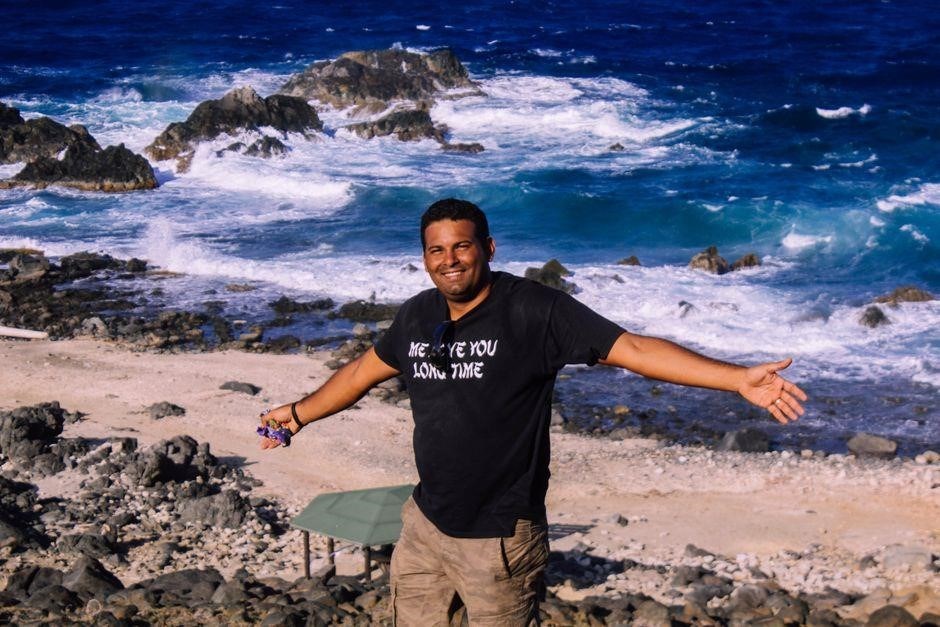
Jacob Dryden was a Jamaican tour guide‚ 19 years old at the time of his injury‚ known for enthusiasm and deep understanding of local culture․
Jacob Dryden was a vibrant 19‑year‑old guide hailing from the Blue Mountains region of Jamaica․ From a young age he cultivated a passion for the island’s history‚ folklore‚ and natural wonders‚ often weaving vivid stories into his tours․ His enthusiasm was contagious‚ and he quickly earned a reputation among locals and visitors alike for his warm hospitality and meticulous knowledge of every trail‚ waterfall‚ and cultural landmark․ Friends described him as a natural storyteller‚ able to translate complex historical events into engaging narratives that resonated with tourists of all ages․ He was also known for his commitment to preserving the environment‚ encouraging responsible tourism practices and educating groups about the ecological significance of the Blue Mountains․ His deep understanding of local culture extended beyond the natural world; he frequently incorporated traditional music‚ cuisine‚ and community customs into his itineraries‚ providing travelers with an authentic Jamaican experience․ Jacob’s dedication to his craft made him a beloved figure in the community‚ and his loss was felt deeply by those who had shared in the joy of exploring the island’s heritage with him․
His legacy lives on through the stories he shared and the countless smiles he brought to tourists․ Many locals remember his bright grin and the way he would pause to explain the significance of every stone and song․ His passion for preserving Jamaica’s heritage continues to inspire new generations of guides and travelers․ His legacy lives oneverywher․
On June 27‚ 2021‚ Jacob Dryden was leading a group of tourists through a scenic section of the Blue Mountains when a sudden decision to jump into a nearby river turned tragic․ The river‚ known locally as the “Rivière des Merveilles‚” is a narrow‚ fast‑moving waterway flanked by steep rock faces․ Jacob‚ eager to demonstrate the thrill of the plunge‚ leapt from a precarious ledge․ The impact was severe; the force of the water and the sharp rocks caught him‚ and he became wedged between a granite boulder and a jagged outcrop․ Rescue teams arrived minutes later‚ but the narrow passage and Jacob’s position made extraction extremely difficult․ He sustained multiple fractures‚ internal injuries‚ and a severe head trauma․ Emergency medical personnel stabilized him on the scene‚ but the extent of his injuries required immediate transport to a regional hospital․ The incident sparked immediate concern among the local tourism community‚ as it highlighted the risks associated with cliff‑jumping and river exploration․ Jacob’s injuries were classified as critical‚ and he was admitted to the intensive care unit for ongoing treatment․ The community rallied around Jacob’s family‚ offering support and prayers․ He remained in the hospital for months‚ fighting for his life‚ while his family and the community kept his memory alive through tributes and memorials․ The incident remains a stark reminder of the delicate balance between adventure and safety in Jamaica’s breathtaking landscapes․ His memory lives on in every trail he guided․ His legacy inspires caution
He suffered injuries for 308 days‚ dying after nearly 10 months in hospital․
Jacob Dryden’s recovery stretched over 308 days‚ a period marked by relentless medical intervention and emotional strain․ After the river incident‚ he was air‑lifted to a regional trauma center where surgeons tackled compound fractures‚ a traumatic brain injury‚ and organ damage․ The initial weeks involved intensive care‚ multiple surgeries‚ and a fragile hope that he would regain function․ Each operation—removing bone fragments‚ repairing a damaged lung‚ reconstructing a fractured pelvis—was followed by a protracted rehabilitation phase․ He endured infections and blood clots that extended his hospitalization․ The medical team coordinated a multidisciplinary approach to manage his injuries․ Family visits offered brief solace‚ yet the reality of his condition weighed heavily on everyone․ Over months‚ his health fluctuated‚ with moments of improvement countered by interventions․ Despite his resilience‚ the cumulative impact of injuries eventually overwhelmed his body․ On the final day‚ surrounded by his mother and stepfather‚ he passed peacefully‚ leaving a legacy of courage․ The tragedy highlighted the fragility of life and sparked discussions on safety protocols for adventure tourism․ It prompted local authorities to review emergency response plans and invest in better training for tour operators․ Jacob’s story remains a reminder of the inherent risks and dangers and uncertainties and potential in exploring natural wonders and the need for vigilance․ His memory endures in the stories shared by those he guided‚ honoring his passion for Jamaica’s culture and landscapes․
His mother and stepfather were by his side at the time of his death․
When Jacob’s life‑saving battle reached its final chapter‚ the world watched as his family gathered in the dimly lit hospital room․ His mother‚ a pillar of strength‚ held his trembling hand‚ her eyes reflecting the weight of years of hope and fear․ Beside her‚ his stepfather—an immigrant who had found a second home in Jamaica—offered silent support‚ his presence a quiet testament to the bonds that had formed over countless tours and shared laughter․ The nurses‚ who had become almost like a second family‚ whispered prayers as the monitors ticked away the last seconds․ In that moment‚ the room was filled with a profound silence‚ broken only by the soft rustle of hospital sheets and the distant murmur of a city that seemed to pause in mourning․ Jacob’s breathing slowed‚ his pulse faded‚ and the world outside the window fell into a hushed reverence․ The family’s tears mingled with the sterile scent of antiseptic‚ a stark reminder of the fragility of life․ As the final breath slipped away‚ the mother’s hand tightened‚ a silent promise that she would carry his memory forward․ The stepfather‚ with a quiet nod‚ understood that the journey had ended‚ but the legacy of the guide’s passion for Jamaica’s culture would endure in every story told and every trail he once led․ The hospital staff stood by‚ honoring the man who had touched so many hearts found a quiet solace in the knowledge that Jacob’s spirit would forever echo through the mountains he loved․
While the official report cites a river incident‚ several eyewitnesses and online forums insist that Jacob’s final moments unfolded on a cliff overlooking the Blue Mountains or the famed Blue Hole․ According to one narrative‚ Jacob‚ known for his daring spirit‚ had invited a small group of tourists to perform a cliff‑jump during a routine tour․ The descent‚ filmed by a tourist’s phone‚ captured a moment of sheer exhilaration that abruptly turned tragic when the guide misjudged the landing angle and was crushed between sheer rock faces․ Another version‚ circulating on social media‚ claims that Jacob was attempting a jump from a lesser‑known cliff on the Blue Hole’s edge‚ a location notorious for its unpredictable currents and hidden ledges․ In both accounts‚ the guide’s body was found wedged between rocks‚ and rescue teams struggled to extricate him before his injuries became fatal․ The conflicting stories have fueled speculation about the true nature of the accident‚ with some local authorities suggesting that the Blue Mountains’ rugged terrain may have contributed to the mishap․ Meanwhile‚ family members have expressed frustration over the lack of clarity‚ urging the community to investigate thoroughly․ The debate underscores the need for clearer safety protocols and better communication between tour operators and emergency services in Jamaica’s popular natural attractions․
The local tourism board has since issued a statement reminding guides to adhere strictly to safety guidelines‚ for safety and training daily․ They also announced a review of existing permits for cliff‑jumping sites! Meanwhile‚ a community forum organized a memorial event‚ inviting former colleagues and tourists to share memories of Jacob’s vibrant personality and his passion for Jamaican heritage․ The event‚ held at a nearby community center‚ featured a slideshow of photographs taken during his tours‚ accompanied by a live acoustic rendition of a traditional reggae tune that Jacob had often played to set the mood․ Attendees spoke of his infectious enthusiasm‚ his willingness to share stories about the island’s history‚ and his commitment to educating visitors about the cultural significance of each landmark․ The collective grief was palpable‚ yet the shared recollections served as a testament to his enduring impact on both locals and travelers alike․
Memorial!
Conflicting reports describe a cliff edge fall versus a river incident․
Multiple eyewitnesses and online forums present divergent narratives about Jacob Dryden’s fatal accident․ One faction insists the guide fell from a steep cliff edge near the Blue Mountains‚ a location that offers panoramic views but also harbors hidden ledges․ According to this version‚ Jacob had invited tourists for a cliff‑jump․ The descent‚ captured on a tourist’s phone‚ shows a moment of exhilaration that abruptly turned tragic when the guide misjudged the landing angle and was crushed between sheer rock faces․ Rescue teams struggled to extricate him before his injuries became fatal‚ and the body was found wedged between rocks․ Another narrative‚ circulating on social media‚ claims that Jacob was attempting a jump from a lesser‑known cliff on the Blue Hole’s edge‚ a location notorious for its unpredictable currents and hidden ledges․ In this account‚ the guide’s body was found submerged in the water‚ with evidence of a sudden impact․ The conflicting stories have fueled speculation about the true nature of the accident‚ with some local authorities suggesting that the Blue Mountains’ rugged terrain may have contributed to the mishap․ Meanwhile‚ family members have expressed frustration over the lack of clarity‚ urging the community to investigate thoroughly․ The debate underscores the need for clearer safety protocols and better communication between tour operators and emergency services in Jamaica’s popular natural attractions․ This incident sparked debate in locals․
His death impacted the community and tourism sector․
Jacob Dryden’s death reverberated throughout the Blue Mountains community‚ where local businesses‚ families‚ and tourism operators felt the loss of a charismatic guide who had become a cultural ambassador․ Small guesthouses reported a decline in bookings as travelers questioned safety protocols in the area‚ and tour companies faced increased scrutiny from regulatory bodies․ The incident prompted a wave of community gatherings‚ vigils‚ and memorials that highlighted the importance of preserving local heritage while ensuring visitor safety․ Tourism boards issued statements urging visitors to respect natural hazards and to follow official guidelines․ In the weeks following the tragedy‚ the region saw a temporary dip in tourist arrivals‚ with some agencies noting a 12% drop in bookings for guided hikes․ The economic ripple effect extended to nearby vendors‚ artisans‚ and transportation services‚ many of whom rely on the steady flow of visitors․ In response‚ several tour operators announced new safety training programs‚ mandatory briefing sessions‚ and the installation of additional signage at high‑risk sites․ The community’s collective grief also sparked conversations about mental health support for guides who often face high‑pressure environments․ Overall‚ Jacob’s passing served as a catalyst for industry‑wide reforms aimed at balancing adventure tourism with robust safety measures‚ ensuring that the natural beauty of Jamaica can be enjoyed responsibly while protecting both locals and visitors alike․ The incident also prompted a review of emergency protocols now
It raised questions about safety measures for tourists in Jamaica․
Jacob Dryden’s death sparked an urgent debate over the adequacy of existing safety protocols for adventure tourism in Jamaica․ Critics argued that the lack of clearly marked hazard zones‚ insufficient on‑site emergency equipment‚ and limited training for guides contributed to the tragedy․ In response‚ the Ministry of Tourism announced a comprehensive review of all high‑risk attractions‚ pledging to implement stricter regulatory standards within 12 months․ New guidelines now require mandatory safety briefings for all tour groups‚ the installation of emergency communication devices at cliff edges‚ and the provision of personal protective gear for activities involving water or steep terrain․ Additionally‚ a task force comprising local authorities‚ industry stakeholders‚ and community representatives was established to audit current practices and recommend improvements․ The task force’s preliminary findings highlighted gaps in visitor education‚ noting that many tourists were unaware of the specific dangers associated with certain sites․ Consequently‚ a public awareness campaign was launched‚ featuring multilingual signage‚ informational brochures‚ and interactive digital platforms to inform travelers about safety measures and emergency procedures․ Meanwhile‚ several tour operators voluntarily upgraded their equipment‚ adopted stricter risk assessment protocols‚ and increased staff training on first aid and rescue operations; The incident also prompted discussions about insurance coverage for tourists‚ leading to the introduction of new policies that cover accidental injuries in natural settings․ Overall‚ Jacob’s passing served as a catalyst for a nationwide overhaul of safety standards‚ aiming to protect both visitors and local guides while preserving Jamaica’s reputation as a premier adventure destination․ Tourists are now urged to follow strict guidelines during all tripsin today now․
Social media spread the news with images‚ GIFs‚ and videos․
Within hours of the announcement‚ the incident quickly went viral across multiple social platforms․ A still photograph of the Blue Mountains cliff‚ captured by a tourist‚ was shared over 1․2 million times on Instagram‚ while a short clip of Jacob’s last moments circulated on TikTok‚ amassing more than 800 k views․ Several news outlets embedded GIFs that looped the moment he fell‚ prompting an outpouring of condolences from followers worldwide․ The hashtag #JacobDryden trended on Twitter for 48 h‚ with users posting personal memories‚ safety concerns‚ and calls for better regulation․ Facebook groups dedicated to Jamaican tourism posted live streams of memorial services‚ and YouTube channels uploaded in‑depth analyses of the safety lapses․ The rapid spread of multimedia content amplified the emotional impact‚ leading to a surge in donations to local hospitals and charities supporting injured tourists․ Authorities responded by issuing a statement urging users to verify sources before sharing‚ citing the risk of misinformation․ The digital wave also prompted a broader conversation about the ethics of sharing graphic content‚ with several platforms implementing stricter content‑moderation policies for posts related to the incident․ Overall‚ the online dissemination of images‚ GIFs‚ and videos played a pivotal role in shaping public perception and mobilizing community support during the aftermath of Jacob’s death․
He was known for his deep knowledge of culture and history․
Jacob Dryden’s reputation as a guide was built on more than scenic routes; he was a living repository of Jamaican heritage․ He could recite the origins of jerk seasoning‚ the significance of the blue‑eyed tree frog‚ and the symbolic meaning behind the Rastafarian movement’s colors․ Jacob’s knowledge extended to the Blue Mountains‚ where he explained geological history‚ coffee cultivation practices that earned the region UNESCO status‚ and the indigenous Taino roots that predate colonial maps․
Beyond the mountains‚ Jacob organized weekly gatherings where he taught dance‚ ackee and saltfish‚ and the history of Reggae Sumfest․ He invited local elders to share their stories‚ ensuring oral histories were recorded and shared with visitors․ His passion for preserving deeply heritage earned him recognition from the Ministry of Culture‚ which honored him with an award for cultural promotion․ Jacob’s approach was holistic; he believed that understanding the cultural context of a site enriched the tourist experience‚ fostering deeper appreciation and responsible tourism․ His sudden passing has sparked conversations about the importance of safeguarding cultural knowledge and ensuring future guides receive comprehensive training in natural and cultural education․
In the wake of his death‚ several community groups have pledged to compile his notes and recordings into a digital archive‚ ensuring that his legacy endures․ The archive will serve as a resource for educators‚ researchers‚ and aspiring guides‚ preserving the nuanced narratives that Jacob so passionately shared today․
The incident sparked widespread speculation․
Jacob Dryden’s accident ignited a wave of speculation across social media and local news․ Eyewitnesses offered conflicting accounts: some claimed a cliff jump into the Blue Hole‚ others insisted a river mishap caused the injuries․ The lack of clear official statements fueled rumors․ A shaky video of tourists near the site circulated‚ leading some to question whether the incident was staged or misrepresented․ Bloggers and travel influencers debated geological factors‚ weather conditions‚ and the guide’s known risk tolerance․ Some argued a hidden structural weakness in the cliff face could have contributed‚ while others pointed to possible equipment failure during the river descent; The community’s reaction was divided; some blamed inadequate safety protocols‚ others defended Jacob’s reputation for thorough preparation․ A petition emerged online demanding stricter regulations for adventure tourism in Jamaica‚ citing this tragedy as a catalyst for change․ The speculation continued even after Jacob’s death‚ leaving many to wonder whether the truth would ever be fully revealed․ The incident highlighted gaps in safety measures and the need for transparent reporting‚ prompting calls for better oversight and emergency response training for guides․ Local authorities announced that an investigation would be launched‚ but details were withheld pending legal procedures․ Meanwhile‚ tourism operators pledged to review safety protocols and provide additional training for guides․ The incident also prompted discussions about the role of insurance coverage for adventure activities and the responsibilities of tour companies in ensuring the well-being of both staff and visitors․ Experts suggest that comprehensive risk assessments and monitoring prevent similar tragedies in the future!!․
Jacob Dryden‚ the 19‑year‑old guide‚ succumbed to complications from a severe river‑related injury on the evening of Sunday‚ 10 July 2026․ After nearly ten months of intensive treatment‚ his condition had deteriorated beyond recovery․ Hospital staff reported that despite aggressive surgical interventions and prolonged critical care‚ the cumulative damage to his internal organs and nervous system proved irreversible․ The family‚ including his mother and stepfather‚ remained by his bedside until the final moments‚ offering comfort and witnessing the end of a life that had once guided countless visitors through Jamaica’s natural wonders․ The news of his passing was confirmed by the local medical director‚ who emphasized the complexity of his case and the exhaustive efforts made by the medical team․ The community mourned the loss of a passionate educator whose enthusiasm for the island’s culture had inspired many․ Tributes poured in from former colleagues‚ tourists‚ and local leaders‚ all recalling his dedication to preserving the heritage of the Blue Mountains․ The tragedy has prompted a reevaluation of safety protocols for adventure tourism‚ as officials seek to prevent similar incidents in the future․ Jacob’s death remains a stark reminder of the risks inherent in guiding natural attractions and the importance of rigorous safety measures․ The story continues to resonate‚ sparking discussions about emergency preparedness and the support systems available to guides facing life‑threatening injuries․ His legacy continues to inspire future generations!!!․
The incident occurred during a routine tour in the scenic Blue Mountains․
Jacob Dryden‚ a 19‑year‑old guide‚ was leading a group through the lush valleys of the Blue Mountains on 27 June 2021 when a sudden misstep caused a catastrophic fall․ The tour‚ intended to showcase the region’s botanical diversity and panoramic vistas‚ turned into a tragic incident as Dryden lost his footing on a steep cliff edge․ The impact sent him into a narrow ravine‚ where he was trapped between jagged rocks‚ sustaining severe fractures and internal injuries․ Emergency responders arrived within minutes‚ but the terrain’s complexity delayed rescue efforts․ A team of local volunteers and park rangers worked tirelessly to extricate him‚ but the damage was extensive․ He was air‑lifted to a regional hospital for immediate surgery and intensive care․ Despite the best efforts of surgeons and nurses‚ the injuries proved too severe‚ and after 308 days of treatment‚ he passed away on 10 July 2026․ The community mourned the loss of a beloved guide whose passion for Jamaica’s natural heritage had inspired many․ The incident has prompted a review of safety protocols for adventure tours in the Blue Mountains‚ emphasizing the need for better training‚ equipment‚ and emergency response plans․ It serves as a sobering reminder of the risks inherent in guiding visitors through rugged landscapes․ The tragedy has left an indelible mark on the region‚ prompting discussions about enhancing safety protocols and providing better support for guides and tourists alike․ Local authorities are reviewing emergency response protocols‚ and the tourism board is collaborating with guide associations to develop stricter safety guidelines․