
Article Plan: Physical Examination and Health Assessment 9th Edition PDF
Seidel’s Guide, in its ninth edition, delivers an interprofessional, patient-focused, and lifespan-inclusive approach to physical examination and health assessment techniques.
Seidel’s Guide to Physical Examination has long been a cornerstone resource for healthcare professionals learning and refining their assessment skills. This 9th Edition continues that tradition, offering a comprehensive and uniquely interprofessional perspective. The guide emphasizes a patient-centered approach, recognizing the importance of individual needs and preferences throughout the examination process.
It’s designed to equip nurses, medical students, and other clinicians with the knowledge and techniques necessary to conduct thorough and accurate physical assessments across the lifespan – from pediatric to geriatric patients. The text provides clear, easy-to-understand explanations of both interviewing and examination techniques, linking clinical presentations to underlying pathophysiology. Furthermore, it acknowledges the growing role of complementary and alternative therapies in healthcare, offering insights into these modalities.
This edition serves as valuable guidance for preparing for physical health assessment simulations, providing relevant readings and a structured approach to mastering essential skills.
Overview of the 9th Edition Updates
The ninth edition of Seidel’s Guide to Physical Examination builds upon its established foundation with significant updates reflecting current clinical practice and evolving healthcare needs. This revised edition provides concise, authoritative guidance on performing comprehensive physical assessments. Updates incorporate the latest evidence-based practices, ensuring clinicians are equipped with the most current techniques.
Key enhancements include expanded coverage of telehealth assessment strategies, recognizing the increasing role of remote care delivery. The guide also features updated visual content, including new illustrations and photographs, to enhance understanding and skill development. Content related to diversity, equity, and inclusion has been strengthened, promoting culturally sensitive assessment practices.

Furthermore, the 9th edition refines its focus on interprofessional collaboration, emphasizing the importance of teamwork in delivering optimal patient care. It remains a pocket guide, offering quick access to essential information.
Interprofessional and Patient-Centered Approach
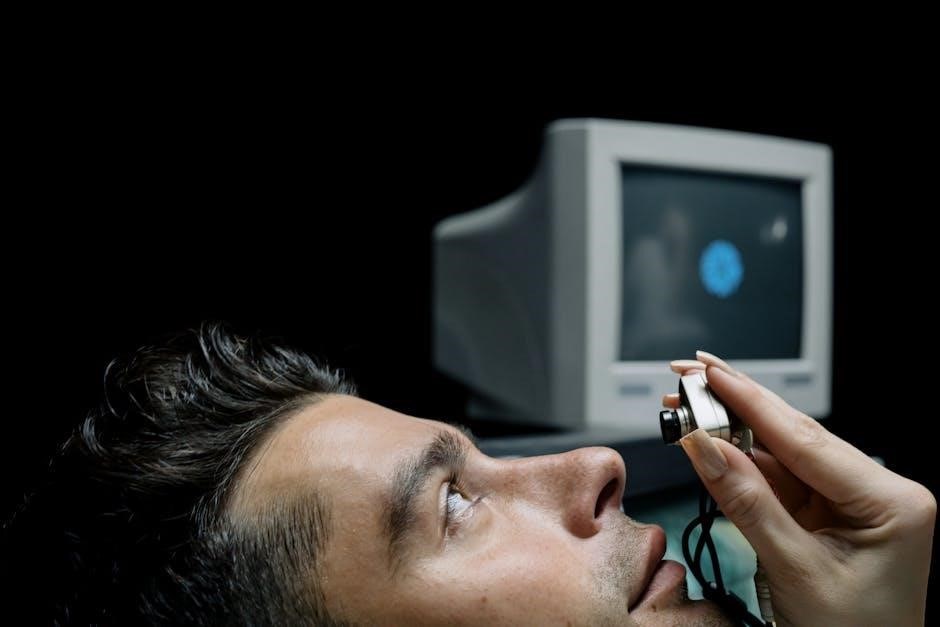
Seidel’s Guide uniquely emphasizes an interprofessional approach to healthcare, recognizing that effective physical assessment requires collaboration among various healthcare professionals. This edition reinforces the importance of teamwork, communication, and shared decision-making in providing holistic patient care.
Central to the guide’s philosophy is a strong patient-centered focus. It stresses the need to consider each patient’s individual values, beliefs, and preferences during the assessment process. Techniques are presented with a focus on building rapport, fostering trust, and actively involving patients in their own care.
The guide promotes sensitivity to diverse patient populations, acknowledging cultural variations and the impact of social determinants of health. This approach ensures assessments are tailored to meet the unique needs of each individual, leading to more accurate diagnoses and effective treatment plans.
Lifespan Considerations in Physical Assessment
Seidel’s Guide meticulously integrates lifespan considerations throughout its examination techniques. Recognizing that physiological norms and expected findings vary significantly across the age spectrum, the 9th edition provides specific guidance for assessing patients from infancy through old age.
Detailed adaptations are offered for examining pediatric patients, including age-appropriate communication strategies and techniques to minimize anxiety. For geriatric patients, the guide highlights common age-related changes and potential challenges, emphasizing sensitivity and a focus on functional status.
The text addresses the unique assessment needs of pregnant women, acknowledging physiological changes during pregnancy and their impact on physical findings. This comprehensive approach ensures healthcare professionals can confidently and accurately assess patients at every stage of life.
Key Components of a Physical Examination
Seidel’s Guide to Physical Examination, 9th Edition, details a systematic approach encompassing four core components: inspection, palpation, percussion, and auscultation. Inspection begins with a general survey, observing overall appearance and vital signs.
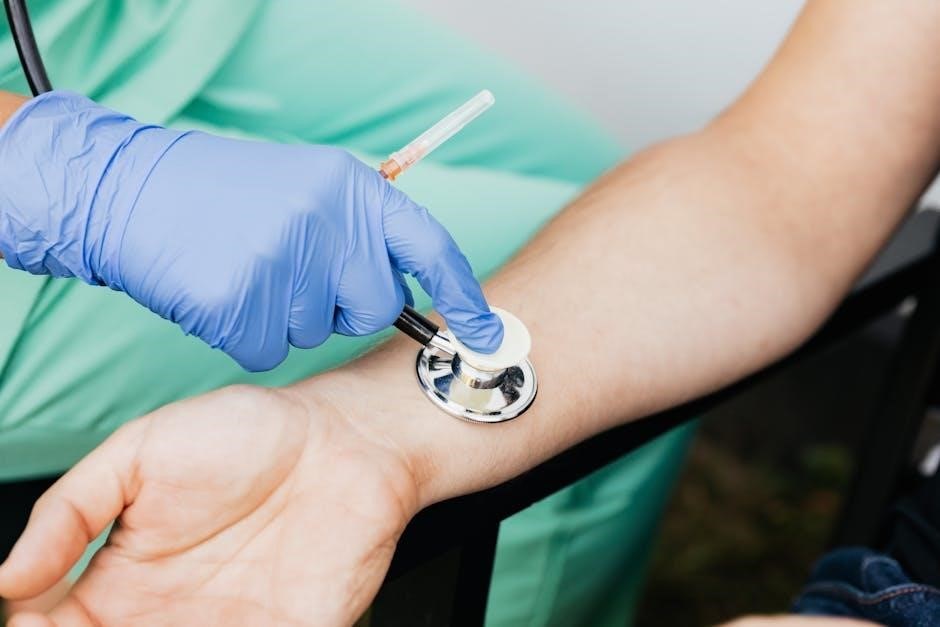
Palpation involves using hands to assess texture, temperature, moisture, organ location, and masses. Percussion employs tapping techniques to evaluate underlying structures, determining density and size.
Auscultation utilizes a stethoscope to listen for normal and abnormal sounds within the body, including heart, lung, and bowel sounds. The guide emphasizes the importance of performing these techniques in a logical sequence, adapting to the patient’s condition and age.
Clear explanations and illustrations enhance understanding, ensuring practitioners can confidently execute each component for a thorough assessment.
History Taking Techniques
Seidel’s Guide emphasizes a comprehensive history as foundational to the physical assessment. Effective history taking begins with open-ended questions, encouraging the patient to narrate their concerns. This allows for a detailed understanding of the chief complaint, history of present illness, and past medical history.
The text highlights techniques for eliciting information about medications, allergies, family history, and social determinants of health. It stresses the importance of active listening, empathy, and non-verbal communication to build rapport and trust.
Furthermore, the guide details methods for documenting the patient’s narrative accurately and concisely. It provides guidance on differentiating subjective data (what the patient reports) from objective data (observed findings), crucial for accurate diagnosis and care planning.
The 9th edition offers clear explanations of interviewing skills.

Vital Signs Measurement
Seidel’s Guide dedicates significant attention to accurate vital signs measurement, recognizing their critical role in assessing a patient’s physiological status. The text provides detailed, step-by-step instructions for measuring temperature, pulse, respiration, and blood pressure.
It emphasizes proper technique, including correct equipment selection, patient positioning, and potential sources of error. The guide details normal ranges for each vital sign across the lifespan, acknowledging variations based on age and individual factors.
Furthermore, Seidel’s explains how to interpret abnormal vital sign findings and their clinical significance. It covers techniques for assessing orthostatic blood pressure and pulse oximetry, offering a comprehensive overview of essential physiological monitoring skills.
The 9th edition provides authoritative guidance on performing these fundamental assessments;
Head-to-Toe Examination System
Seidel’s Guide meticulously outlines a systematic head-to-toe examination approach, crucial for a comprehensive physical assessment. This method ensures no body system is overlooked, promoting thoroughness and accuracy in data collection.
The text details the specific techniques for examining each body system – including neurological, cardiovascular, respiratory, gastrointestinal, and musculoskeletal – in a logical sequence. It provides clear instructions on inspection, palpation, percussion, and auscultation.
Seidel’s emphasizes the importance of adapting the examination based on patient presentation and clinical context. It offers guidance on recognizing normal and abnormal findings, and correlating these with potential underlying pathologies.
The 9th edition’s detailed approach equips healthcare professionals with the skills to conduct a complete and effective physical examination, enhancing diagnostic capabilities.
Neurological Assessment
Seidel’s Guide dedicates significant attention to neurological assessment, recognizing its complexity and importance in identifying potential neurological dysfunction. The 9th edition provides a structured approach to evaluating the nervous system effectively.
It details techniques for assessing mental status, including level of consciousness, orientation, and cognitive function. Furthermore, the guide covers cranial nerve examination, evaluating sensory and motor function, and assessing reflexes.
Seidel’s emphasizes the importance of observing for subtle neurological deficits and correlating findings with potential pathologies. It provides clear descriptions of normal and abnormal responses, aiding in accurate interpretation.
The text highlights the need for a systematic approach to ensure a comprehensive neurological evaluation, crucial for early detection and management of neurological conditions. This section is vital for nurses and healthcare professionals.
Cardiovascular Assessment
Seidel’s Guide to Physical Examination, 9th Edition, provides a detailed framework for cardiovascular assessment, essential for identifying heart and vascular abnormalities. The text emphasizes a systematic approach, beginning with patient history and progressing to physical examination techniques.
Key components include palpation to identify pulsations, auscultation for heart sounds and murmurs, and assessment of peripheral pulses. Seidel’s offers clear guidance on differentiating normal from abnormal findings, aiding in accurate diagnosis.
The guide details techniques for evaluating blood pressure, identifying edema, and assessing capillary refill. It also covers the importance of recognizing risk factors for cardiovascular disease and correlating findings with potential pathologies.
This section is crucial for nurses and healthcare professionals, enabling them to effectively assess cardiovascular health and identify patients requiring further investigation or intervention.
Respiratory Assessment
Seidel’s Guide to Physical Examination, 9th Edition, comprehensively covers respiratory assessment, a vital component of overall health evaluation. The guide details a systematic approach, starting with patient history focusing on cough, dyspnea, and chest pain.
Physical examination techniques include inspection for respiratory effort and chest shape, palpation for tactile fremitus, percussion to assess underlying lung tissue, and auscultation for breath sounds. Seidel’s emphasizes differentiating normal breath sounds from adventitious sounds like wheezes, crackles, and rhonchi.
The text provides clear instructions on assessing respiratory rate, rhythm, and depth, alongside techniques for identifying signs of respiratory distress. It also highlights the correlation between assessment findings and common respiratory conditions.
This section equips healthcare professionals with the skills to accurately assess respiratory function and identify patients needing further diagnostic testing or therapeutic intervention.
Gastrointestinal Assessment
Seidel’s Guide to Physical Examination, 9th Edition, provides a detailed framework for conducting a thorough gastrointestinal (GI) assessment. This section begins with a focused history, exploring patterns of bowel elimination, appetite changes, and abdominal discomfort.
The physical examination component emphasizes inspection, auscultation, percussion, and palpation of the abdomen. Seidel’s clearly explains how to assess for abdominal distention, pulsations, and visible peristalsis. Auscultation techniques focus on identifying normal and abnormal bowel sounds.
Percussion helps determine organ size and detect fluid or masses, while palpation assesses for tenderness, guarding, and rebound tenderness. The guide correlates assessment findings with common GI disorders, aiding in differential diagnosis.
Healthcare professionals will gain proficiency in recognizing signs of GI dysfunction and prioritizing appropriate interventions based on assessment results, as outlined in the 9th edition.

Musculoskeletal Assessment
Seidel’s Guide to Physical Examination, 9th Edition, offers comprehensive guidance on performing a detailed musculoskeletal assessment. This begins with gathering a relevant history, including questions about joint pain, stiffness, swelling, and limitations in range of motion.
The physical examination techniques detailed in Seidel’s involve inspection for asymmetry, swelling, and deformities. Palpation assesses for tenderness, crepitus, and muscle strength. Range of motion testing—both active and passive—is thoroughly explained.

The guide emphasizes assessing joint stability and evaluating for signs of inflammation. Specific maneuvers for evaluating common musculoskeletal conditions are also included.
This section equips healthcare professionals with the skills to identify musculoskeletal abnormalities, differentiate between various conditions, and formulate appropriate care plans, all supported by the 9th edition’s clear instructions and illustrations.
Documentation and Reporting Findings
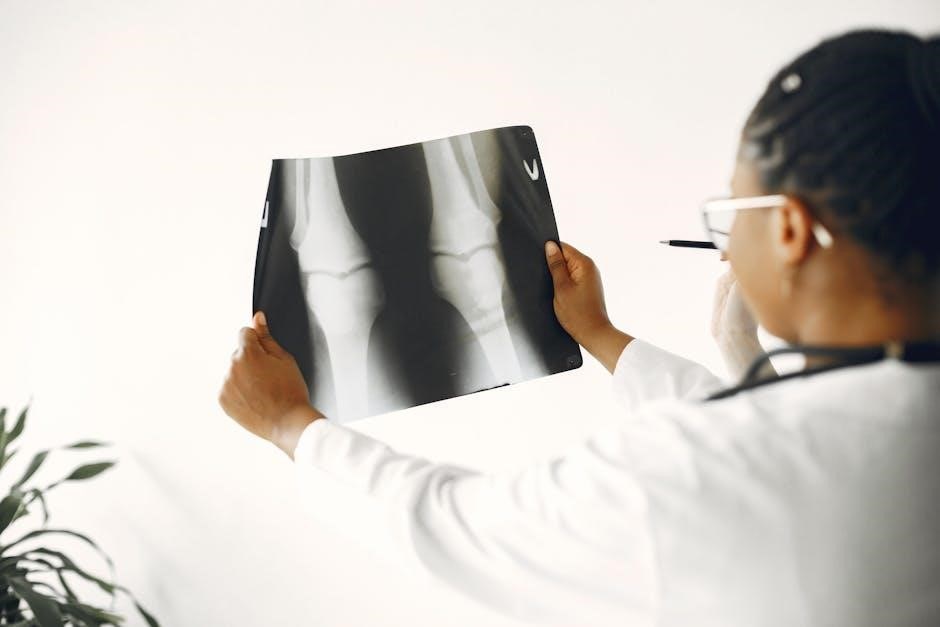
Seidel’s Guide to Physical Examination, 9th Edition, underscores the critical importance of accurate and thorough documentation of assessment findings. It emphasizes a systematic approach to recording both normal and abnormal results, ensuring a clear and concise patient record.
The guide details best practices for charting observations, including descriptive language for physical findings and precise measurements. It highlights the need to document pertinent negative findings—what was not present—as well as positive ones.
Seidel’s stresses the significance of using standardized terminology and avoiding vague or subjective descriptions. Effective reporting facilitates communication among healthcare team members and supports continuity of care.
The 9th edition provides guidance on structuring documentation to effectively convey the patient’s health status and informs clinical decision-making, ultimately contributing to optimal patient outcomes.
Use in Nursing Education and Simulation
Seidel’s Guide to Physical Examination, 9th Edition, is a cornerstone resource in nursing education, providing students with a foundational understanding of assessment techniques. Its clear explanations and step-by-step instructions make complex procedures accessible.
The text’s emphasis on a patient-centered approach aligns with modern nursing practice and prepares students for real-world clinical scenarios. It’s frequently utilized in skills labs and simulation exercises, allowing students to practice and refine their examination skills in a safe environment.
The document serves as guidance for nurses preparing for physical health assessment simulations, listing relevant readings. Educators appreciate its comprehensive coverage and its ability to promote critical thinking and clinical reasoning.
By integrating Seidel’s into curricula, nursing programs ensure graduates are well-equipped to perform thorough and accurate physical assessments, contributing to high-quality patient care.
Availability and Accessing the PDF
Currently, a physical copy of Ball Jane W.’s Seidel’s Guide to Physical Examination, 9th edition, is listed as “Нет в продаже” (not for sale) in some sources as of February 26, 2026. However, access to the PDF version may vary.
Students and professionals often find the PDF through institutional access – university libraries or hospital resource centers frequently subscribe to digital textbooks. Online bookstores and educational platforms may also offer the PDF for purchase or rental.

It’s important to verify the legitimacy of any source offering the PDF to ensure it’s an authorized edition and free from malware. Searching reputable academic databases and publisher websites is recommended.
Be aware that availability and pricing can fluctuate, so checking multiple sources is advisable when seeking access to this valuable resource;
Relevance to Cardiopulmonary Disease Risk Assessment
The 9th edition of Seidel’s Guide is demonstrably relevant to cardiopulmonary disease risk assessment, as highlighted by recent AI prototype testing completed on December 1, 2025. This prototype showcased the ability to rapidly and accurately identify significant risk factors for these conditions.
A thorough physical examination, guided by the techniques detailed within the text, allows healthcare professionals to assess vital signs, auscultate heart and lung sounds, and identify physical indicators of potential cardiopulmonary issues.
The guide’s emphasis on a comprehensive, head-to-toe assessment ensures no critical symptom is overlooked. This proactive approach facilitates early detection and intervention, ultimately improving patient outcomes and reducing the burden of cardiopulmonary disease.
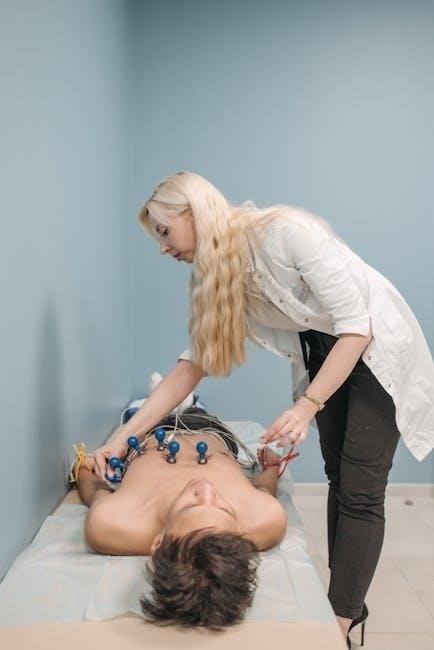
Utilizing this resource empowers clinicians to effectively stratify risk and implement preventative measures.
Microsoft Stock (MSFT) ― Irrelevant Information (Note: Included due to source data, but flagged as irrelevant)
Information regarding Microsoft Corporation Common Stock (MSFT) is present within the source data but is entirely unrelated to Seidel’s Guide to Physical Examination, 9th Edition, or the field of health assessment.
Numerous sources, updated as recently as March 8, 2026, provide real-time stock prices, historical data, news, and investment insights for MSFT. These resources include Stockscan.io and various Canadian Depository Receipt trackers (MSFT:XTSE).
Data points available encompass price history, valuation metrics, dividend information, and charting tools designed for trading and investment decisions. However, these financial details hold no bearing on the content, purpose, or application of the physical examination guide.
Its inclusion here is solely due to its presence in the original data set and is explicitly flagged as irrelevant to the core topic.