Article Plan: Fire Extinguisher Types and Uses (PDF Focus)
This article details various fire extinguisher types, their classifications (A-F), and proper usage, referencing ISO 487:1998 standards and providing downloadable PDF resources․
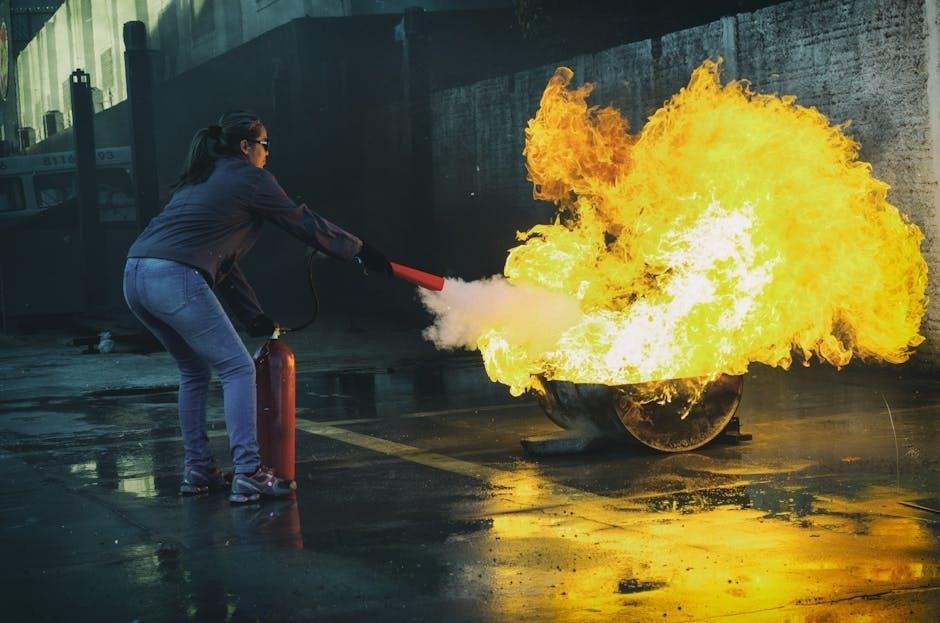
Fire extinguishers are crucial safety devices designed to suppress or control fires, minimizing damage and potentially saving lives․ Understanding their operation and limitations is paramount․ Different extinguishers combat distinct fire classes – A (ordinary combustibles), B (flammable liquids), C (electrical), D (combustible metals), and F (cooking oils/fats)․
This guide provides a comprehensive overview of extinguisher types, including water, foam, carbon dioxide, and dry chemical varieties, alongside essential maintenance, inspection procedures, and relevant standards like ISO 487:1998․ Accessible PDF resources will further enhance your knowledge․
Understanding Fire Classification
Proper fire extinguisher selection hinges on understanding fire classifications․ Class A fires involve ordinary combustibles like wood and paper․ Class B encompasses flammable liquids – gasoline, oil, and grease․ Class C fires involve energized electrical equipment․ Class D fires ignite combustible metals, such as magnesium or titanium․
Notably, Class F fires (Europe/Australia) involve cooking oils and fats․ Utilizing the incorrect extinguisher can exacerbate a fire, creating dangerous situations․ This guide, alongside accompanying PDF resources, clarifies these classifications for effective fire suppression․
Class A Fires: Ordinary Combustibles
Class A fires involve common materials like wood, paper, cloth, rubber, and many plastics․ These fires leave an ash residue․ Water is highly effective due to its cooling properties, absorbing heat and extinguishing the flames․ However, water shouldn’t be used on electrical fires!
Dry chemical extinguishers (ABC rated) are also suitable, smothering the fire and preventing re-ignition․ PDF guides emphasize that quick response is crucial for controlling Class A fires before they escalate, potentially causing significant damage․
Class B Fires: Flammable Liquids
Class B fires involve flammable liquids such as gasoline, oil, grease, and solvents․ Water is ineffective and dangerous, as it can spread the burning liquid․ Foam extinguishers are excellent, creating a blanket that smothers the fire and prevents reignition․
Dry chemical extinguishers (BC or ABC rated) disrupt the chemical reaction of the fire․ PDF resources highlight the importance of not using water on these fires and emphasize the need for proper ventilation after extinguishing․
Class C Fires: Electrical Fires
Class C fires involve energized electrical equipment․ The primary hazard is electrocution, so safety is paramount․ Never use water! Carbon dioxide (CO2) extinguishers are ideal, as they are non-conductive and displace oxygen, smothering the flames․
Dry chemical extinguishers (BC or ABC rated) also work, but may leave a residue․ PDF guides stress de-energizing the circuit before extinguishing if possible, and maintaining a safe distance․ Always prioritize personal safety․
Class D Fires: Combustible Metals
Class D fires involve combustible metals like magnesium, titanium, sodium, and potassium․ These fires burn at extremely high temperatures and react violently with water, spreading the fire․ Standard extinguishers are ineffective and dangerous!
Specialized dry powder extinguishers are required, utilizing agents designed to smother the specific metal involved․ PDF resources emphasize proper application techniques to avoid scattering the burning metal․ Training is crucial, as these fires demand specialized knowledge and equipment․
Class F Fires: Cooking Oils & Fats (Europe/Australia)
Class F fires, prevalent in commercial kitchens, involve cooking oils and fats․ These fires burn at very high temperatures and are particularly dangerous due to potential splatter and re-ignition․ Water must NEVER be used as it causes explosive reactions!
Specialized wet chemical extinguishers are designed for Class F fires, saponifying the oil to create a soapy layer that smothers the flames․ PDF guides detail proper usage and emphasize the importance of kitchen fire safety protocols․
Types of Fire Extinguishers – A Detailed Overview
Fire extinguishers are categorized by the types of fires they effectively combat․ The most common types include Water (APW), Carbon Dioxide (CO2), and Dry Chemical extinguishers․ PDF resources detail each type’s mechanism, suitable applications, and limitations․
Further classifications exist, such as Foam (AFFF/FFFP) and Dry Powder (Class D) extinguishers, designed for specific hazards․ Understanding these distinctions, as outlined in downloadable charts, is crucial for selecting the appropriate extinguisher for a given fire risk․
Water Extinguishers (APW)
Water extinguishers, or APWs, are primarily used for Class A fires – those involving ordinary combustibles like wood and paper․ They function by cooling the burning material below its ignition temperature․ PDF guides emphasize their simplicity and cost-effectiveness․
However, APWs are ineffective and dangerous when used on flammable liquid (Class B), electrical (Class C), or metal (Class D) fires․ Detailed charts within downloadable resources clearly illustrate these limitations, stressing the importance of correct extinguisher selection․
Water Extinguisher Operation & Limitations
Operating a water extinguisher involves removing the safety pin, aiming at the base of the fire, and squeezing the lever – a process detailed in accompanying PDF safety manuals․ These guides highlight the effective cooling action on Class A materials․
Limitations are critical: never use on electrical fires due to conductivity risks, or flammable liquids as it spreads the fire․ PDF resources emphasize these dangers, alongside proper inspection procedures and maintenance schedules for optimal functionality and safety․
Suitable Fire Types for Water Extinguishers
Water extinguishers excel on Class A fires – those involving ordinary combustibles like wood, paper, cloth, and plastics․ Their cooling effect rapidly reduces the temperature below ignition point, effectively extinguishing the flames․ Detailed PDF guides illustrate this process․
These extinguishers are particularly effective on smoldering materials, preventing reignition․ However, PDF safety data sheets clearly state that water’s effectiveness is limited to these specific fuel types, emphasizing the importance of correct extinguisher selection․
Unsuitable Fire Types for Water Extinguishers
Water extinguishers are dangerously ineffective, and even hazardous, on Class B fires – flammable liquids like gasoline, oil, and grease․ Applying water can spread the fire, exacerbating the situation․ PDF resources strongly caution against this․
Furthermore, water must never be used on Class C fires (electrical), posing a severe electrocution risk․ Detailed charts within downloadable PDFs clearly illustrate these incompatibilities, emphasizing the need for appropriate extinguisher selection based on fire classification․
Foam Extinguishers (AFFF/FFFP)
Aqueous Film Forming Foam (AFFF) and Film Forming Fluoroprotein Foam (FFFP) extinguishers are highly effective on Class A and B fires, creating a blanket that suppresses vapors and cools the fuel․ PDF guides detail their mechanism, showcasing how the foam smothers the fire and prevents reignition․
These extinguishers are particularly useful for flammable liquid spills, offering superior performance compared to water alone․ Downloadable charts within safety PDFs highlight their versatility and appropriate application techniques for various scenarios․
Foam Extinguisher Mechanism
Foam extinguishers operate by discharging a mixture of water and a foaming agent, creating a dense foam layer that floats on flammable liquids, effectively suppressing vapors and cutting off oxygen supply․ Detailed PDFs illustrate this process, explaining how the foam’s aqueous film prevents fuel release․
The foam also provides a cooling effect, reducing the temperature of the burning surface and preventing reignition․ Safety manuals available as PDFs emphasize the importance of covering the entire fuel source for optimal suppression, ensuring complete fire control․
Applications of Foam Extinguishers
Foam extinguishers are exceptionally effective on Class A and Class B fires, particularly those involving flammable liquids like gasoline, oil, and solvents․ Downloadable PDFs detail their use in industrial settings, garages, and areas with significant flammable liquid presence․
They are also suitable for tackling liquid spills, creating a barrier to prevent further spread․ Training guides, often available as PDFs, highlight their effectiveness in quickly controlling surface fires and minimizing re-ignition risks, ensuring comprehensive fire safety․
Carbon Dioxide (CO2) Extinguishers
CO2 extinguishers are ideal for Class B and Class C fires, effectively suppressing flammable liquid and electrical fires without leaving residue․ PDF guides emphasize their non-conductive nature, making them safe for sensitive electronic equipment․
They displace oxygen, suffocating the fire, but have limited range․ Detailed specifications, found in downloadable resources, cover operating pressures and discharge times․ Safety data sheets within these PDFs highlight the asphyxiation hazard in confined spaces, requiring careful usage․
CO2 Extinguisher Functionality
Carbon dioxide extinguishers function by reducing oxygen levels, thereby suffocating the fire source․ PDF documentation details how the pressurized CO2 expels, cooling the fuel and inhibiting combustion․ This method is particularly effective on flammable liquids (Class B) and electrical equipment (Class C)․
Crucially, CO2 doesn’t leave a residue, minimizing cleanup and damage․ However, PDFs caution against use in enclosed spaces due to the risk of asphyxiation․ Understanding the discharge mechanism, as illustrated in provided diagrams, is vital for effective operation․
CO2 Extinguisher Safety Considerations
PDF guides emphasize the asphyxiation hazard of CO2 extinguishers in confined spaces․ Discharging CO2 displaces oxygen, creating an environment unsafe for breathing․ Always ensure adequate ventilation before and during use․ Directing the nozzle away from personnel is crucial, as the expelled gas is extremely cold, causing frostbite․
Furthermore, PDFs highlight that CO2 is ineffective on Class A fires (ordinary combustibles) as it won’t penetrate deeply enough to extinguish smoldering materials․ Proper training, detailed in accompanying resources, is essential for safe and effective operation․
Dry Chemical Extinguishers
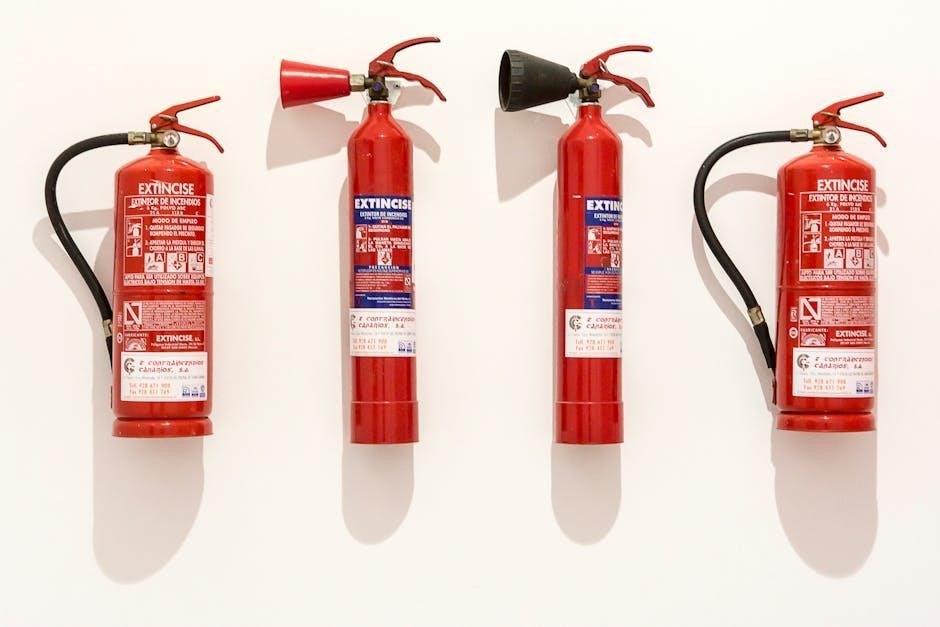
PDF documentation details dry chemical extinguishers as a versatile option, utilizing finely powdered agents to interrupt the chemical reaction of fire․ These are broadly categorized into Monoammonium Phosphate (ABC), Sodium Bicarbonate (BC), and Potassium Bicarbonate (Purple K)․ ABC extinguishers are multi-purpose, effective on Class A, B, and C fires․
However, PDFs caution about residue cleanup post-discharge, as the powder can be corrosive․ BC and Purple K are specifically for flammable liquids and electrical fires, respectively, offering rapid knockdown but lacking Class A capability․
Monoammonium Phosphate (ABC) Dry Chemical
PDF guides highlight Monoammonium Phosphate as the most common “ABC” dry chemical, effective against Class A (ordinary combustibles), Class B (flammable liquids), and Class C (electrical) fires․ It works by coating the fuel with a thin film, interrupting the combustion process․
However, downloadable resources emphasize the importance of thorough cleanup due to corrosive residue․ The powder can damage sensitive electronics and requires proper disposal according to local regulations, as detailed in safety data sheets included in PDF manuals․
Sodium Bicarbonate (BC) Dry Chemical
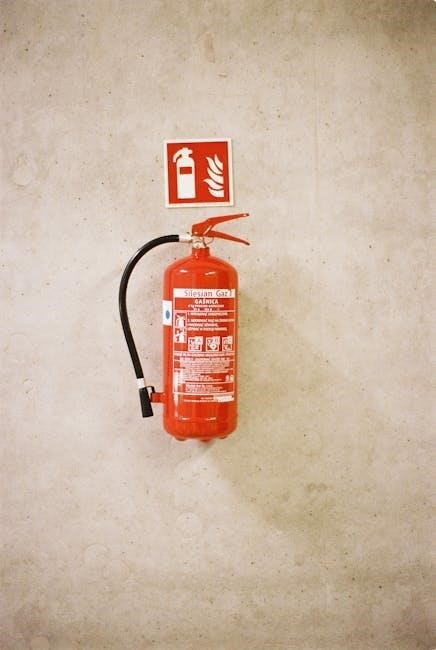
PDF documentation details Sodium Bicarbonate extinguishers as primarily designed for Class B (flammable liquids) and Class C (electrical) fires․ They interrupt the chemical reaction of the fire, effectively smothering the flames․ These are often found in portable formats for quick deployment․
However, safety guides within the PDFs caution against using them on Class A fires, as they lack the cooling effect needed to prevent re-ignition․ Cleanup is relatively easy, but residue can still be mildly corrosive, requiring careful handling as outlined in provided manuals․
Potassium Bicarbonate (BC) Dry Chemical – Purple K
PDF resources highlight Potassium Bicarbonate, often called “Purple K,” as a superior dry chemical agent for Class B and C fires․ It’s more effective than Sodium Bicarbonate, offering a larger fire-fighting capacity due to its higher flow rate and greater resistance to compaction․
Safety data sheets within the PDFs emphasize its non-toxic nature and reduced corrosion compared to other dry chemicals․ However, like other dry chemical agents, it doesn’t cool the fire, posing a re-ignition risk, and cleanup can be extensive, as detailed in the provided guides․
Dry Powder Extinguishers (Class D)
PDF documentation details Class D fire extinguishers, specifically designed for combustible metal fires (magnesium, titanium, sodium, etc․)․ These utilize specialized dry powder agents that work by smothering the fire and creating a heat-absorbing crust․
Crucially, the PDFs emphasize that standard extinguishers are ineffective and dangerous on metal fires․ Application techniques, outlined in safety guides, involve gently applying the powder to avoid scattering the burning metal․ Proper agent selection is vital, as different metals require different powders․
Specialized Dry Powder Agents
PDF resources highlight the necessity of specialized dry powder agents for Class D fires, varying based on the combustible metal involved․ Sodium chloride-based powders are effective on sodium, while graphite-based agents suit magnesium․
These agents form a smothering blanket, excluding oxygen and dissipating heat․ The documentation stresses avoiding water or conventional extinguishers, which can violently react with burning metals․ Detailed charts within the PDFs specify the correct agent for each metal, ensuring safe and effective fire suppression․
Application Techniques for Class D Fires
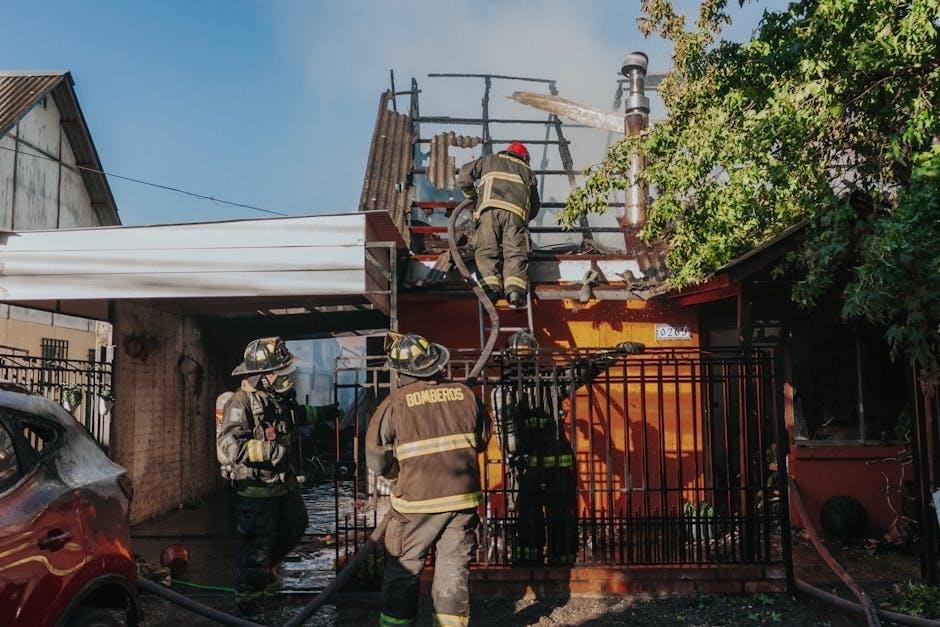
PDF guides emphasize a gentle, enveloping application of dry powder onto Class D fires, avoiding forceful streams that can scatter the burning metal․ The technique involves starting at the upwind edge and slowly covering the entire burning surface․
Continuous application is crucial until the metal is cooled and the reaction ceases․ Diagrams within the PDFs illustrate proper nozzle positioning and sweeping motions․ Never use water or other common extinguishers, as they exacerbate the situation; specialized training is highly recommended․
Fire Extinguisher Markings and Ratings
PDF resources highlight that extinguishers display lettered classifications (A, B, C, D, F) indicating suitable fire types, and numerical ratings denoting extinguishing capacity․ These ratings, crucial for selection, signify the relative fire size an extinguisher can handle․

Labels clearly state the agent type and operating instructions․ Understanding these markings, detailed in accompanying charts within the PDFs, ensures appropriate extinguisher choice․ Proper labeling is mandated by standards like ISO 487:1998, guaranteeing user safety and effective fire suppression․
Understanding Extinguisher Labels
PDF guides emphasize that extinguisher labels are critical for safe and effective operation․ They clearly display the fire class ratings (A, B, C, D, F) indicating which fires the extinguisher is designed to combat․ The label also details the extinguishing agent used – water, foam, CO2, or dry chemical – and provides step-by-step operating instructions․
Furthermore, labels include manufacturer information and relevant safety certifications․ Deciphering these details, as illustrated in the downloadable PDFs, is essential for proper selection and usage, ensuring user safety and maximizing extinguishing effectiveness․
Numerical Ratings and Fire Size
PDF resources highlight that extinguishers possess numerical ratings indicating their extinguishing capacity․ For Class A fires (ordinary combustibles), a higher number signifies a larger area the extinguisher can handle․ For Class B fires (flammable liquids), the number represents the approximate square footage that can be effectively covered․
Class C extinguishers lack numerical ratings as they are primarily related to non-conductivity․ Understanding these ratings, detailed in accompanying charts within the PDFs, is crucial for selecting an extinguisher appropriate for the potential fire size and type․
Choosing the Right Fire Extinguisher
PDF guides emphasize a thorough fire risk assessment as the first step in extinguisher selection․ This involves identifying potential fire hazards within a specific environment – considering materials present and potential ignition sources․ Extinguisher selection charts, often included in downloadable PDFs, simplify this process by matching fire classes (A, B, C, D, F) with appropriate extinguisher types (ABC, BC, etc․)․
Prioritize multi-purpose extinguishers (ABC) for general use, but specialized extinguishers are vital where specific hazards exist, like flammable liquids or electrical equipment․
Fire Risk Assessment
PDF resources consistently highlight fire risk assessment as foundational to safety․ This systematic process identifies potential fire hazards – evaluating materials, ignition sources, and occupancy characteristics․ Assess the likelihood and potential severity of fires, categorizing risks as low, medium, or high․
Consider the type of materials present: ordinary combustibles (Class A), flammable liquids (Class B), electrical equipment (Class C), combustible metals (Class D), and cooking oils (Class F)․ A detailed assessment informs appropriate extinguisher selection and placement, maximizing protection․
Extinguisher Selection Chart (ABC, BC, etc․)
PDF guides frequently include charts simplifying extinguisher selection․ An ‘ABC’ extinguisher, utilizing monoammonium phosphate, combats Class A, B, and C fires – a versatile choice for general use․ ‘BC’ extinguishers (sodium/potassium bicarbonate) are effective on flammable liquids and electrical fires․
Class D fires require specialized dry powder extinguishers, while Class F (cooking oils) need specific wet chemical agents․ The chart correlates fire class with the appropriate extinguishing agent, ensuring optimal performance and safety․ Always prioritize matching the extinguisher to the identified risk․

Fire Extinguisher Maintenance and Inspection
PDF safety manuals emphasize regular maintenance for reliable operation․ Monthly visual inspections should verify pressure gauge readings are within the green zone, pins are intact, and there’s no visible damage․
Annual professional maintenance, conducted by certified technicians, involves internal inspections, hydrostatic testing (if required), and recharging․ Proper record-keeping is crucial, documenting inspection dates and maintenance performed․ Neglecting maintenance voids warranties and compromises fire safety, potentially leading to extinguisher failure․
Monthly Visual Inspections
PDF guides highlight the importance of quick, routine checks․ Each month, confirm the extinguisher is in its designated location, easily accessible, and not obstructed․ Inspect the pressure gauge; the needle must reside within the green, operable range․
Verify the tamper seal is unbroken and the nozzle is free of obstructions․ Look for any visible signs of damage – dents, corrosion, or leakage․ Document these inspections to demonstrate due diligence and maintain a safe environment․
Annual Professional Maintenance
PDF resources emphasize yearly inspections by qualified technicians․ This involves a thorough examination of all extinguisher components, including the shell, hose, and nozzle․ Technicians will check for internal corrosion and ensure proper functionality․
Hydrostatic testing, as per ISO standards, verifies the cylinder’s strength․ Recharging is performed, and a tag indicates the date of service․ Detailed records of this maintenance are crucial for compliance and safety, ensuring extinguishers are ready for immediate use․
Fire Extinguisher Standards and Codes (Indian Standards)
PDF documentation highlights the importance of adhering to Indian Standards for fire safety equipment․ These standards dictate manufacturing, testing, and installation procedures for extinguishers․ Compliance ensures reliability and effectiveness during emergencies․
Specific IS codes cover extinguisher types, capacity, and performance criteria․ Regular audits verify adherence to these regulations․ Proper certification is essential for legal compliance and insurance purposes, safeguarding lives and property through standardized fire protection measures․
Fire Extinguisher Specifications (ISO 487:1998)
ISO 487:1998 provides detailed specifications for portable fire extinguishers, crucial for ensuring consistent quality and performance globally․ PDF resources referencing this standard outline requirements for materials, construction, hydrostatic testing, and labeling․
The standard covers dimensions, volume, and discharge characteristics․ It also addresses mechanical strength and corrosion resistance․ Adherence to ISO 487:1998 guarantees interoperability and reliability, vital for effective fire suppression in diverse environments, promoting safety and minimizing risks․
Fire Extinguisher Usage – The PASS Method
The PASS acronym is a universally recognized method for operating a fire extinguisher effectively: Pull the pin, Aim at the base of the fire, Squeeze the handle, and Sweep from side to side․ PDF guides emphasize practicing this technique․
Proper application ensures maximum extinguishing power and user safety․ Remember to maintain a safe distance and discharge the entire contents if necessary․ Training materials available in PDF format reinforce the importance of PASS for quick and decisive action․
Safety Precautions When Using Fire Extinguishers
Prioritize personal safety when confronting a fire․ PDF safety guides stress evacuating immediately if the fire is large or spreading rapidly․ Always position yourself with an escape route behind you․ Be aware of potential hazards like smoke inhalation and backdraft․
Never fight a fire alone, and ensure the extinguisher is appropriate for the fire class․ PDF resources detail extinguisher limitations․ Regular training and understanding extinguisher markings are crucial for safe and effective fire suppression․
Fire Extinguisher Training and Education
Comprehensive training is vital for effective fire extinguisher use․ PDF guides emphasize hands-on practice with different extinguisher types, covering the PASS method (Pull, Aim, Squeeze, Sweep)․ Education should include fire classification, extinguisher limitations, and evacuation procedures․
Regular drills and refresher courses reinforce knowledge and build confidence․ Training programs should align with relevant standards, like those detailed in ISO 487:1998․ Properly trained personnel can minimize damage and ensure safety during a fire emergency․
Fire Extinguisher PDF Resources and Downloads
Numerous PDF resources offer detailed information on fire extinguisher types and uses․ These downloads often include charts detailing fire classifications (A-F) and appropriate extinguisher selections․ ISO 487:1998 specifications and Indian Standards documents are frequently available in PDF format․
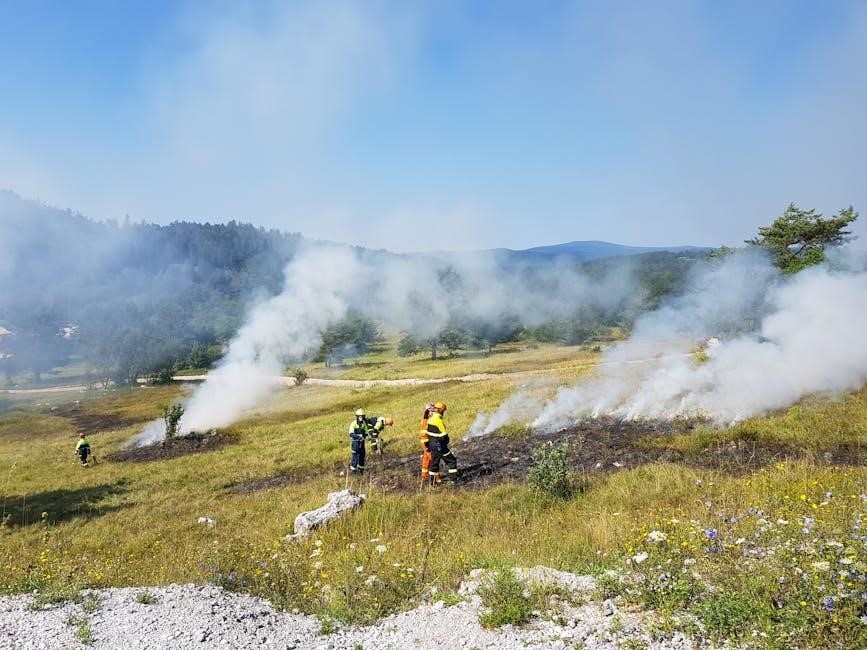
Manufacturers and safety organizations provide PDF guides on maintenance, inspection, and proper operation․ Accessing these resources ensures users have the latest information for effective fire safety preparedness and compliance․
IMO Lifesaving Appliances Safety and Fire Extinguishers
The International Maritime Organization (IMO) sets stringent safety standards for lifesaving appliances, including fire extinguishers on vessels․ These regulations, often found in downloadable PDF documents, detail required extinguisher types, quantities, and placement based on ship size and hazard levels․
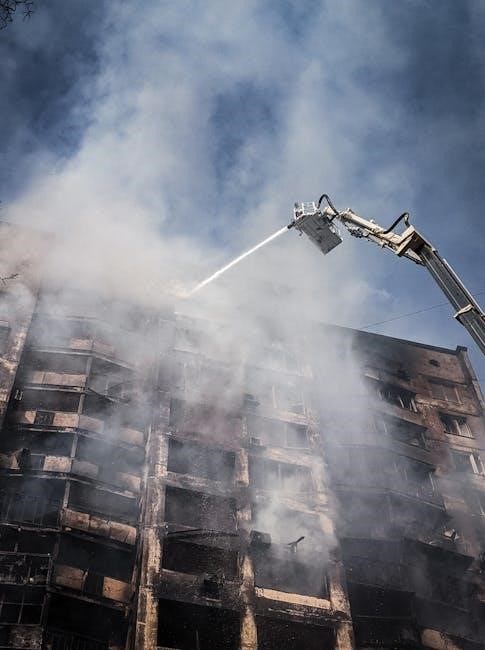
IMO guidelines cover extinguisher maintenance, inspection, and crew training, ensuring rapid and effective response to onboard fires․ Compliance with IMO standards is crucial for maritime safety and is often verified through inspections․
Fire Extinguisher Terminology (English-Russian)
Understanding key terminology is vital when discussing fire extinguisher types and uses, especially in international contexts․ This section provides a concise English-Russian glossary of common terms related to fire safety equipment, aiding comprehension of PDF manuals and technical documentation․
Terms include “fire extinguisher” (огнетушитель), “fire” (огонь), and “wall” (стена)․ This resource facilitates communication and ensures accurate interpretation of safety protocols, particularly for those working with multilingual PDF resources․
Fire Extinguisher Types and Cutting/Perforating Dimensions (Type R)
Specific fire extinguisher models, particularly ‘Type R’, require precise cutting and perforation details for installation and maintenance, often detailed in accompanying PDF manuals․ These dimensions are crucial for proper mounting, ensuring accessibility and optimal performance during emergencies․
This section outlines these specifications, referencing standards like ISO 487:1998, and provides diagrams for accurate implementation․ Understanding these details is vital for technicians and safety personnel utilizing PDF guides․
Fire Extinguisher and Fire Safety in Naval Applications
Naval vessels demand stringent fire safety protocols due to confined spaces and hazardous materials․ Specialized fire extinguisher types, detailed in PDF safety manuals, are crucial for combating fires at sea, adhering to IMO Lifesaving Appliances Safety standards․
These extinguishers often differ from civilian models, requiring specific training and maintenance․ PDF resources outline unique challenges like fighting fires involving fuel, ammunition, and electrical systems, ensuring crew preparedness and vessel protection․
Fire Extinguisher and Economic Freedom (FIRE Movement) — Brief Mention
While seemingly unrelated, the FIRE (Financial Independence, Retire Early) movement emphasizes preparedness and risk mitigation, mirroring the proactive approach of fire safety․ Just as understanding fire extinguisher types (detailed in accessible PDF guides) is vital for protecting assets, financial literacy safeguards future security․
Both concepts involve planning for unforeseen events․ A well-maintained home fire safety system, documented in PDF checklists, parallels a diversified investment portfolio – both build resilience against potential losses․
Future Trends in Fire Extinguisher Technology
Advancements focus on eco-friendly agents and “smart” extinguishers․ Research explores alternatives to traditional chemicals, detailed in emerging PDF specifications, minimizing environmental impact․ Integration of IoT sensors allows remote monitoring and automated activation, enhancing response times․
Nanotechnology promises more effective extinguishing agents, while AI-powered systems can identify fire types for optimal suppression – information increasingly available in comprehensive PDF resources․ Expect greater emphasis on multi-purpose extinguishers and improved user interfaces․
Fire extinguishers are crucial for initial fire control, potentially saving lives and property – detailed guidance is available in accessible PDF manuals․ Understanding extinguisher types, classifications, and proper usage, as outlined in standards like ISO 487:1998, is paramount․
Regular maintenance, inspections, and training are essential components of fire safety preparedness․ Accessing comprehensive PDF resources and staying informed about evolving technologies ensures effective response capabilities, minimizing fire damage and maximizing safety․